Introduction:
Buying land is one of the biggest investments in life. Many buyers verify legal documents but miss important planning and approval rules that can create serious problems during construction. This guide explains the most important technical checks every home buyer should make before purchasing a plot.
1. Verify the Document Chain
Before purchasing any plot, always verify the complete chain of ownership documents. Every property should have a clear ownership history showing how ownership has transferred from one owner to another without any missing records. Even if the legal documents appear correct, missing parent documents or incomplete ownership records can create complications during future approvals, resale, or construction. A complete and transparent document history gives buyers greater confidence, reduces legal risks, and helps ensure that the property has a clear and marketable title.
Read More : Which Flooring Material is Best for Your Home?

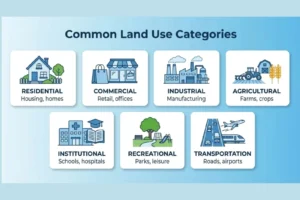
2. Check the Land Use Classification
One of the most important checks before buying land is understanding its land use classification. A plot may appear suitable for construction, but if it falls under an agricultural zone, wetland, or another restricted category, obtaining building approval can become difficult or even impossible. Always confirm that the land is officially designated for residential development before making your investment. This simple verification can save time and money, while helping you avoid unexpected approval issues during the construction stage.
Read More : How to Find the Best Architect in Chennai for Your Dream Home
3. Check Future Road Widening Plans
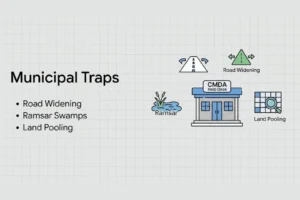
Many buyers overlook future road widening proposals, which can significantly affect the value and usability of a plot. If the government plans to widen the road in the future, a portion of your land may be acquired, reducing the available construction area. Although compensation may be provided, smaller plots can lose valuable space, directly impacting house planning, parking, and setback requirements. Checking road widening notifications before purchasing helps you make a safer investment and avoid costly surprises in the future.

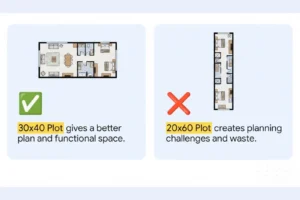
4. Choose the Right Plot Size and Shape
The overall shape and proportion of a plot play a major role in designing a comfortable and functional home. Two plots with the same area can offer completely different planning possibilities depending on their dimensions. Well-proportioned plots generally provide better natural lighting, improved ventilation, efficient room layouts, and less wasted circulation space. Choosing the right plot shape also gives architects greater design flexibility to create attractive interiors while maximizing the usable built-up area.
👉 How to Choose the Right Plot for Your Dream Home
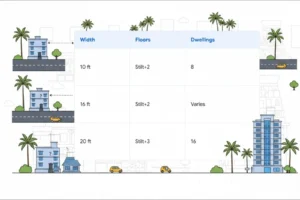
5. Verify the Road Width
Road width is not only important for daily access, but also influences future building approvals and the development potential of a plot. The permitted number of floors, parking arrangements, fire safety requirements, and overall building planning often depend on the width of the road facing the property. Wider roads improve vehicle movement, provide better accessibility, and generally increase the long-term value of the property. Before purchasing, always verify the officially approved road width rather than relying solely on the existing road condition.
6. Understand EWS Plot Restrictions
Plots developed under EWS (Economically Weaker Section) layouts are governed by specific planning and approval regulations that buyers should clearly understand before making a purchase. Many people assume that combining two adjoining EWS plots will automatically allow them to construct a larger house, but this is not always permitted under planning regulations. Such assumptions can lead to approval delays or even rejection of the building permission application. Before investing in an EWS plot, always verify the applicable regulations with the planning authority to ensure your future construction plans are legally feasible.

7. Check Private Passage Rules
Plots located on private access roads require extra attention because building approval depends on specific subdivision regulations. The width of the private access road, the number of plots it serves, and whether the subdivision has received official approval all play a crucial role in determining building approval eligibility. An unauthorized subdivision or an overused private access road can create serious complications when applying for building permission. Always verify these details before purchasing to avoid legal and planning issues in the future.
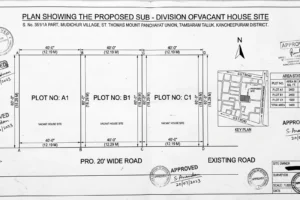
8. Confirm Minimum Plot Dimensions
Before buying any residential plot, ensure that it meets the minimum planning dimensions required for construction approval. Very narrow or irregularly shaped plots may appear affordable, but they often create major design challenges. Architects may struggle to provide proper room sizes, natural ventilation, adequate parking, and efficient circulation while also complying with setback requirements. Choosing a plot with adequate frontage, width, and overall dimensions not only simplifies the approval process but also results in a more comfortable and functional home.
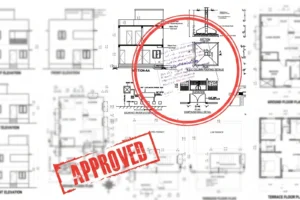
9. Check Setback Requirements
Setback regulations determine how much open space must be left around a building from the property boundaries. These mandatory setback distances vary depending on factors such as road width, building height, plot size, and local development regulations. Larger setbacks reduce the available construction area, which directly affects room sizes, parking arrangements, and future expansion possibilities. Understanding setback requirements before purchasing a plot helps you estimate the actual buildable area and avoid disappointment during the design stage.
Read More : How to Find the Best Architect in Chennai for Your Dream Home

10. Be Careful with Corner Plots
Corner plots are often considered premium properties because they provide better visibility, improved ventilation, and access from two roads. However, they also come with additional planning requirements that many buyers fail to consider. Since setbacks are required on both road-facing sides, the usable construction area can be significantly reduced compared to a regular plot of the same size. Before investing in a corner plot, carefully evaluate both its advantages and planning limitations to ensure it meets your building requirements.

11. Verify CRZ Rules for Coastal Areas

If you are planning to purchase land near the coastline, it is essential to verify whether the property falls under Coastal Regulation Zone (CRZ) regulations. These environmental regulations are designed to protect coastal ecosystems and can impose restrictions on building height, Floor Space Index (FSI), construction activities, and future development. Depending on the CRZ category, the permitted construction area may be considerably lower than expected. Understanding these coastal development regulations before purchasing helps you make a well-informed investment decision and avoid unexpected planning limitations.

12. Avoid Water Body Buffer Zones

Plots located near rivers, lakes, ponds, canals, or other natural water bodies may fall within mandatory buffer zones established by planning authorities. These buffer zones often require additional setbacks or special approvals before construction can begin. In some cases, a significant portion of the land may become unavailable for development, reducing the practical value of the property. Verifying water body restrictions before buying ensures that your future building plans can proceed without unexpected legal or planning obstacles.
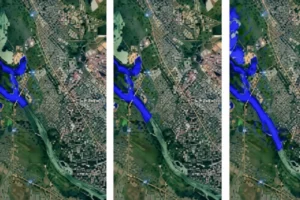
13. Check Flood Risk and Ground Level

The location and elevation of a plot are just as important as its legal status. A low-lying or flood-prone property may require extensive soil filling, improved drainage systems, retaining walls, and additional foundation work before construction can begin. These additional requirements can substantially increase the overall construction cost. Researching the area’s flood history, nearby water bodies, and natural ground level helps buyers avoid expensive surprises and choose a safer location for long-term living.
Read More : How to Find the Best Architect in Chennai for Your Dream Home

14. Check Special Planning Restrictions
Certain locations are subject to special planning policies that may not be immediately visible during the property purchase process. These can include land pooling schemes, environmental conservation zones, infrastructure development projects, protected wetlands, or other government planning notifications. Such planning restrictions may influence building approvals, future development rights, or even land acquisition. Taking the time to verify whether any special planning regulations apply to the property can protect your investment and help prevent future complications.
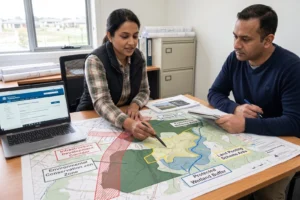
15. Visit the CMDA Office Before Buying the Plot
Before making the final payment for any plot in the CMDA jurisdiction, it is highly recommended to visit the CMDA Public Grievance Section with your plot details. This simple step can help you verify whether the land is eligible for building approval and whether there are any hidden planning restrictions.

At the CMDA office, you can verify important details such as land use classification, proposed road widening, government acquisition, metro rail projects, housing board acquisition, and other development restrictions that may affect your property. Spending a little time verifying these details before purchasing can help you avoid costly mistakes and prevent future approval problems.
Watch the full video on YouTube for detailed insights :