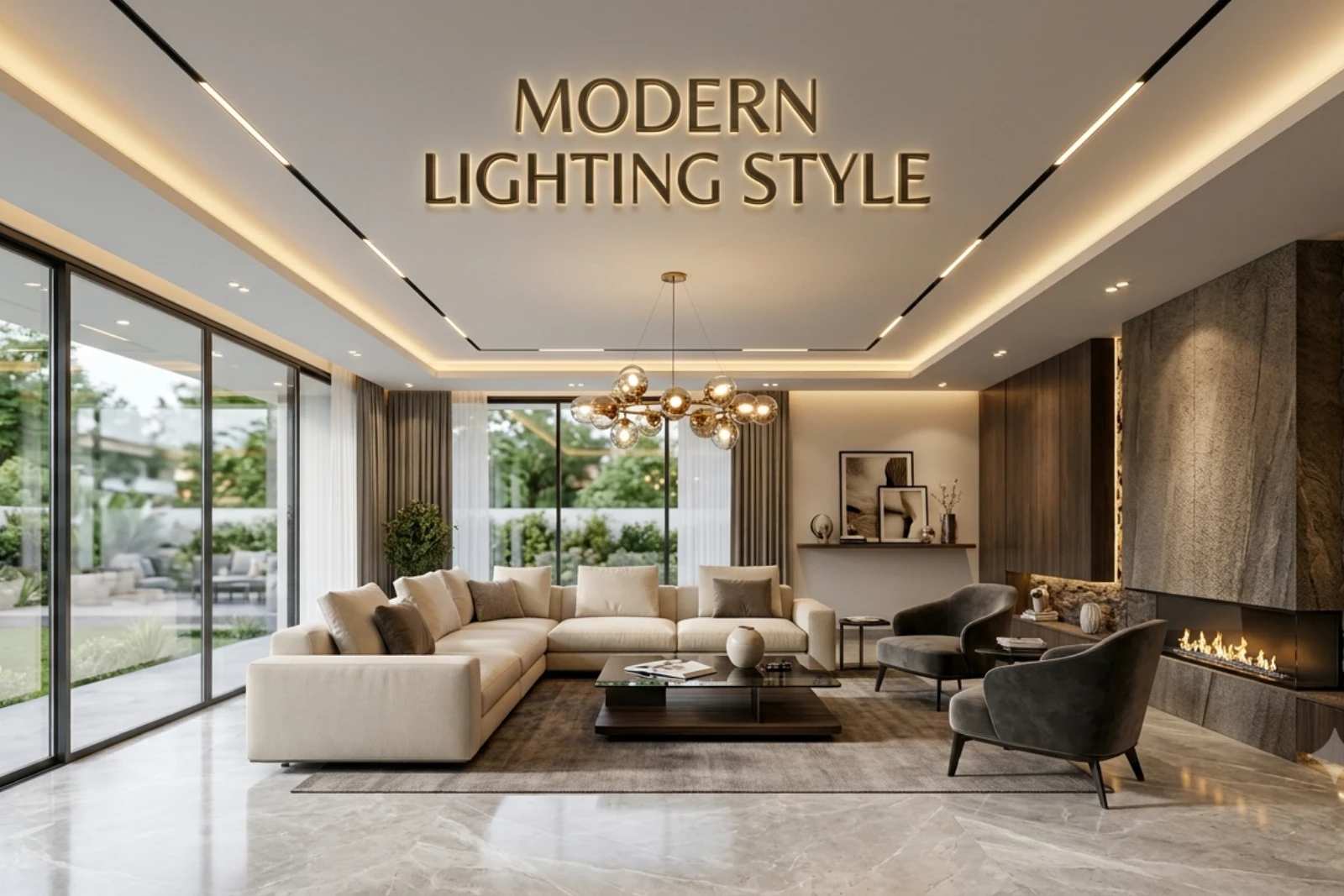
Introduction to Home Lighting Design
Lighting plays an important role in making a house look beautiful, comfortable, and functional. The right lighting design can enhance interiors, highlight architectural features, and create the perfect atmosphere in every space. Many homeowners have questions about choosing the right light fittings, color temperatures, false ceiling lights, and modern lighting trends. Understanding these concepts helps you plan an efficient and aesthetically pleasing lighting design for your dream home.
Importance of Proper Home Lighting Design
A well-designed lighting plan is not just about adding more lights to a space. It is about creating the right balance between functionality, comfort, and visual appeal. A successful lighting design uses different types of lighting techniques based on the purpose of each area. The combination of ambient lighting, spot lighting, diffused lighting, and accent lighting helps create a premium and elegant interior atmosphere.
Different Types of Lighting Used in Modern Homes
Ambient Lighting : Ambient lighting provides overall illumination to a room and creates the basic brightness required for daily activities. It helps maintain a comfortable and balanced lighting environment throughout the space.
Spot Lighting : Spot lighting is used to highlight specific areas such as artwork, feature walls, furniture, architectural elements, or decorative objects. It adds depth and improves the visual appearance of interiors.
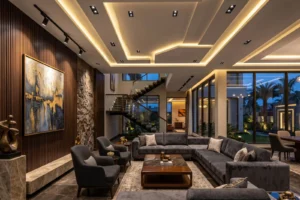
Diffused Lighting : Diffused lighting creates soft and comfortable illumination by spreading light evenly across a space. It reduces harsh shadows and provides a relaxing atmosphere.
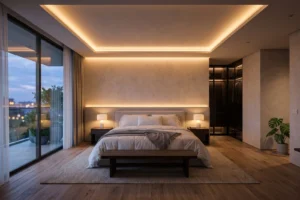
Accent Lighting : Accent lighting is mainly used to enhance interior features and add a decorative effect. It helps create a luxurious feel by highlighting selected design elements.
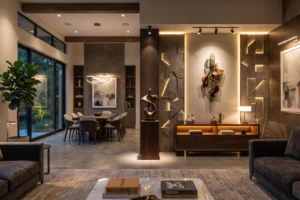
Modern Lighting Fixtures and Latest Trends
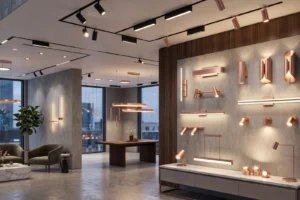
Lighting designs have changed significantly over the years. While the basic principles of lighting remain the same, modern fixtures have evolved with new designs, finishes, and technologies. Today, homeowners prefer sleek and minimal light fittings that blend seamlessly with contemporary interiors. Borderless spotlight designs, rose gold finishes, magnetic track lights, and linear lighting systems have become popular choices for modern homes. These modern fixtures provide a clean appearance while improving the overall interior aesthetics.
Explore More : How to Create a Luxury Home Look on a Low Budget
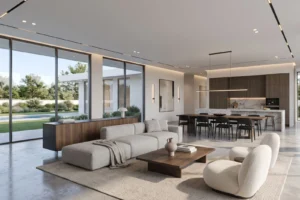
Understanding Light Color Temperature (Kelvin Rating)
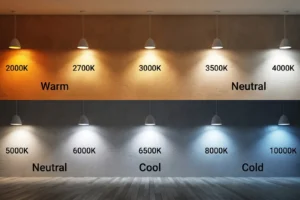
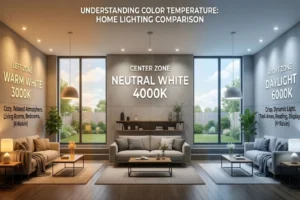
Choosing the right light color is essential for creating the correct mood and ambience in different areas of your home. Light color is measured using Kelvin (K) ratings, which determine whether the light appears warm, neutral, or cool.
Warm White (Around 3000K) : Warm white lighting creates a cozy and relaxing environment. It is commonly used in bedrooms, living rooms, and dining areas where a comfortable atmosphere is preferred.
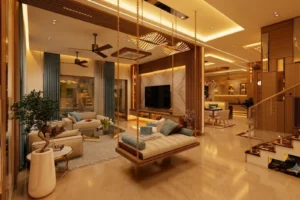
Neutral White (Around 4000K) : Neutral white lighting provides a balanced and natural lighting effect. It is suitable for kitchens, study rooms, workspaces, and areas where clear visibility is required.
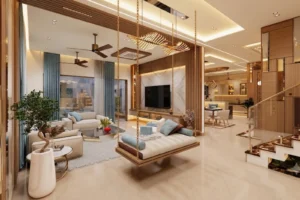
Cool White / Daylight (Around 6000K) : Cool white or daylight lighting provides a brighter and energetic feel. It is suitable for spaces that require high visibility and functional lighting.
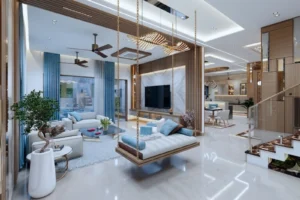
Selecting the correct Kelvin rating improves both the comfort and appearance of your home interiors.
False Ceiling Lighting: Is It Necessary?
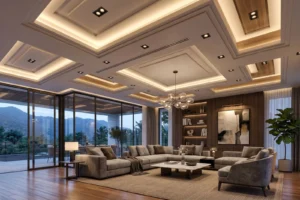
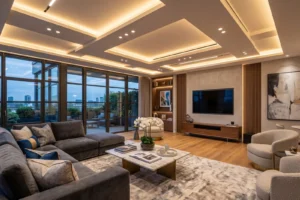
False ceiling lighting has become an important feature in modern home interiors because it provides flexibility in lighting design. A false ceiling allows homeowners to install different lighting options such as recessed spotlights, cove lighting, layered lighting, decorative fixtures, and hidden LED strips. If you want a premium interior appearance with multiple lighting effects, false ceiling design provides more possibilities and better control over lighting placement.
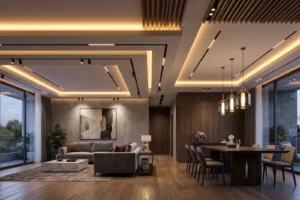
Can You Create Good Lighting Without a False Ceiling?
It is possible to create functional lighting without a false ceiling, especially in budget-friendly homes. With proper planning, ceiling-mounted lights and other fixtures can provide sufficient illumination.
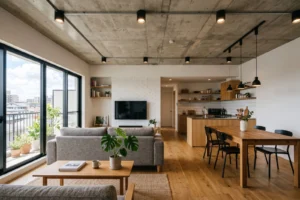
However, without a false ceiling, there are some limitations in creating multiple lighting effects. Installing several spotlights, hidden lights, and layered lighting designs becomes more challenging because fixtures need to be placed externally below the concrete ceiling. Proper electrical planning during the construction stage can help achieve better lighting results even without a false ceiling.
Why False Ceiling Adds Value to Your Home Interior
Many homeowners consider false ceilings only as a decorative feature, but they offer several practical and aesthetic benefits.False ceilings improve lighting arrangements, provide options for concealed wiring, create different lighting moods, and enhance the overall luxury appearance of interiors.Although false ceiling installation adds an additional cost, the value it brings through better design flexibility and improved aesthetics makes it a popular choice in modern homes.
Final Thoughts on Home Lighting Design
Lighting is one of the most important elements of home design. The right combination of fixtures, colors, placement, and lighting techniques can completely transform the look and feel of your living spaces. From selecting the right Kelvin rating to planning false ceiling lights and modern fixtures, every detail plays an important role in creating a comfortable, functional, and beautiful home. A well-planned lighting design not only improves the appearance of your interiors but also enhances the overall living experience.
Watch the full video on YouTube for detailed insights :