The Dream of Building a Perfect Home
Building a home is one of the most meaningful milestones in a person’s life, representing not just financial investment but also years of emotional effort, planning, and sacrifice. For most families, a home is far more than a physical structure made of cement and steel—it is a space where memories are created, generations grow together, and lifelong security is established. Because of this emotional value, people naturally expect their homes to be strong, beautiful, and capable of lasting for decades without major issues. However, the reality is often quite different, as many houses begin to show signs of wear and structural problems much earlier than expected due to improper planning and execution.

Common Problems in Modern Homes
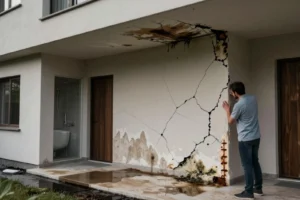
In many residential buildings, issues start appearing within a few years after construction is completed, often catching homeowners by surprise. Small cracks begin to form on walls and slabs, water starts seeping through terraces and bathroom areas, and paint slowly loses its finish by peeling or bubbling. In addition to these visible issues, deeper problems such as dampness inside walls, mold formation due to moisture retention, and corrosion of hidden steel reinforcement also begin to develop silently. Wooden doors and furniture may suffer termite attacks, while ceilings may weaken or sag due to trapped moisture. Although these problems may initially appear minor, they gradually spread and become expensive and difficult to repair over time.
Why These Problems Are Preventable
What most homeowners do not realize is that nearly all of these issues can be prevented if proper construction practices are followed from the beginning. These problems are not caused by fate or unavoidable conditions, but rather by decisions made during construction such as material selection, workmanship quality, and supervision. When buildings are constructed with proper engineering principles, attention to detail, and high-quality materials, they can remain strong and durable for many decades without major maintenance issues. The key lies in understanding that prevention during construction is always easier, cheaper, and more effective than repair after damage has already occurred.
Read More : How to Design a Courtyard: Complete Step-by-Step Tutorial

Why Houses Develop Problems So Quickly
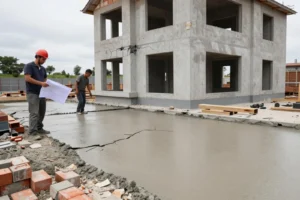
One of the main reasons buildings start deteriorating early is the use of shortcuts during construction. Contractors or labor teams may rush work to save time, reduce costs, or complete multiple projects quickly, but these shortcuts often compromise structural quality. Improper curing of concrete leads to weak surfaces, while the use of low-quality materials reduces the overall strength of the structure. In many cases, lack of technical supervision allows mistakes in mixing ratios, compaction, and finishing work to go unnoticed. These issues may not show immediate effects, but over time they weaken the structure internally and lead to visible damage such as cracks, leakage, and surface degradation.
The Golden Rule: Quality Over Cost
A fundamental principle in construction is that quality should always take priority over cost. While it may seem financially practical to choose cheaper materials or lower-cost contractors during construction, these decisions often lead to significantly higher maintenance expenses in the future. A properly built home is not defined by how little money was spent during construction, but by how well it performs over its lifetime. Investing in quality materials, skilled labor, and proper supervision ensures that the structure remains strong, safe, and low-maintenance for decades, ultimately providing better value than any short-term savings.
Choosing the Right Contractor
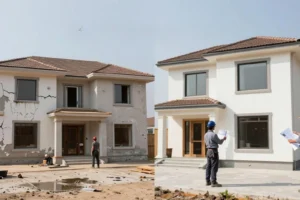
Selecting the right contractor is one of the most important decisions in the entire construction process, as the quality of execution directly depends on their experience and professionalism. Many homeowners make the mistake of choosing contractors based solely on the lowest quotation, without understanding that extremely low pricing often leads to compromises in material quality or workmanship standards. A reliable contractor is one who follows proper engineering guidelines, communicates clearly, maintains transparency in material usage, and has a proven track record of successfully completed projects. The right contractor ensures that every stage of construction is executed with care and precision, reducing the chances of future problems.

Functionality Before Aesthetics
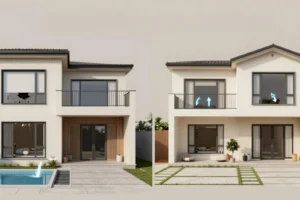
While modern architecture often emphasizes attractive designs and stylish finishes, the functionality of a home is far more important in the long run. A house may look visually stunning, but if it is not designed with proper ventilation, drainage, and usability in mind, it will eventually lead to discomfort and maintenance issues. Functional planning ensures that every space in the house serves a practical purpose, movement within the home is convenient, and long-term maintenance remains simple. A well-balanced home successfully combines beauty with practicality, but functionality should always form the foundation of the design.
Importance of High-Quality Materials
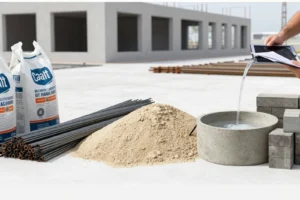
The durability and strength of any structure depend heavily on the quality of materials used during construction. Cement must be of a trusted brand with consistent strength properties, while steel must be corrosion-resistant and suitable for structural loads. Sand should be properly washed and graded to avoid impurities that weaken concrete bonding, and bricks must be strong enough to withstand pressure and environmental exposure. Even water used in construction plays an important role, as impurities can affect the chemical reaction in concrete and reduce its final strength. High-quality materials ensure that the building remains stable and resistant to long-term damage.
Read More : How to Design a Courtyard: Complete Step-by-Step Tutorial
Steel – The Backbone of Your Home
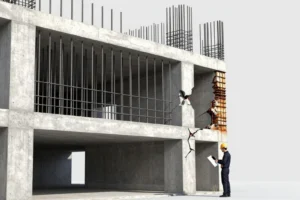
Steel acts as the skeleton of any reinforced concrete structure, providing the tensile strength that concrete alone cannot offer. If low-quality steel is used, it may begin to corrode from within the concrete over time, leading to internal weakening that is not visible from the outside. This corrosion gradually reduces structural strength and can compromise the safety of the entire building. On the other hand, high-grade steel with proper corrosion resistance ensures strong bonding with concrete and significantly enhances the lifespan of the structure, especially in environments with high humidity or coastal exposure.
Concrete Curing – The Most Critical Step
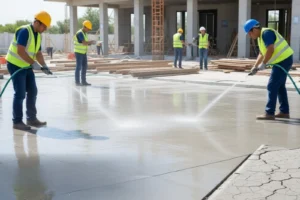
Concrete curing is one of the most essential yet often neglected stages in construction. It is the process that allows concrete to achieve its full strength through proper hydration. If curing is not done correctly, the surface may appear solid but will remain weak internally, making it prone to cracks and long-term damage. Proper curing should begin immediately after concrete placement and continue consistently for a minimum of 21 days. Maintaining moisture during this period ensures that the concrete develops maximum strength and durability, significantly improving the lifespan of the structure.
Shuttering Removal Should Not Be Rushed
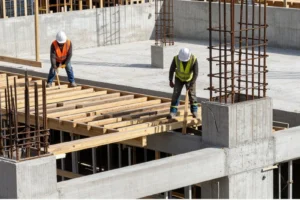
Shuttering or formwork is used to support freshly poured concrete until it gains enough strength to support itself. Removing this support too early is a common mistake in construction that can lead to serious structural problems. Early removal may cause deflection in beams, cracking in slabs, and long-term weakening of load-bearing elements. Allowing adequate curing time ensures that the structure stabilizes properly before any support is removed, maintaining both safety and durability.
Preventing Water Leakage
Water leakage is one of the most damaging issues in any building because water has the ability to travel through hidden paths within concrete and masonry. This makes it extremely difficult to identify the exact source once leakage begins. Proper waterproofing must be applied at all vulnerable points, including pipe junctions, bathroom slabs, terrace surfaces, and wall intersections. When properly executed, waterproofing acts as a protective barrier that prevents moisture from entering the structure and causing long-term damage.
Parapet Wall Protection
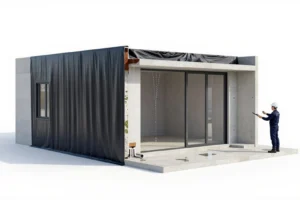
Parapet walls are constantly exposed to changing weather conditions such as rain, heat, and wind, making them highly vulnerable to cracks and water penetration. If not designed properly, they often become a major source of leakage in buildings. Using reinforced concrete instead of brick, or adding properly designed coping with outward slope, significantly reduces the chances of water accumulation and structural damage, thereby improving long-term durability.
Terrace Waterproofing System
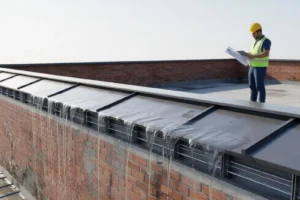
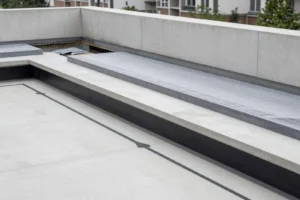
Terrace waterproofing requires a carefully designed multi-layer protection system that works together to prevent water seepage. A base waterproof coating provides the first layer of protection, while an additional weathering course helps protect the slab from temperature changes and water exposure. Proper slope design is equally important, as it ensures that rainwater flows quickly toward drainage points instead of stagnating on the surface, which is one of the main causes of leakage over time.
Read More : How to Design a Courtyard: Complete Step-by-Step Tutorial
Tile Installation Best Practices
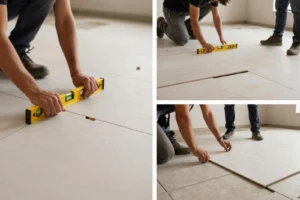
Tile installation may appear to be a finishing task, but it plays an important role in long-term durability and maintenance. Proper spacing between tiles allows for natural expansion and contraction due to temperature changes, preventing cracks and lifting. Allowing sufficient curing time before grouting ensures stability and prevents internal stress buildup. When installed correctly, tiles not only enhance aesthetics but also contribute to structural protection.
Strong Drip Edge Design
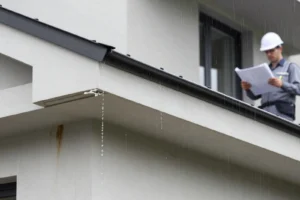
Drip edges are designed to direct rainwater away from walls, preventing staining and moisture damage. If these edges are weak or poorly constructed, they tend to crack over time due to constant exposure to water and temperature changes. A properly designed drip edge made with reinforced concrete ensures long-lasting performance and helps maintain the exterior appearance of the building.
Protecting External Pipes
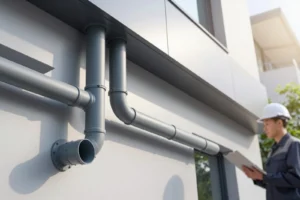
External pipes are continuously exposed to sunlight, rain, and temperature fluctuations, which can cause them to weaken over time. Without protection, plastic pipes may become brittle and crack, leading to leakage and costly repairs. Enclosing these pipes within protective ducts or covering them with suitable cladding materials significantly increases their lifespan while also improving the overall appearance of the building exterior.
Read More : How to Design a Courtyard: Complete Step-by-Step Tutorial
Proper Terrace Door Design
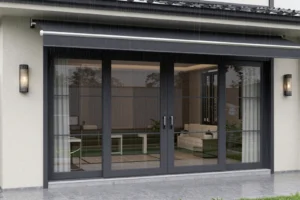
Terrace doors must be designed with careful attention to prevent water entry during heavy rainfall. Outward-opening doors combined with proper sunshades and raised threshold levels provide effective protection against water seepage. In regions with heavy rainfall, dual-door systems can be used to provide an additional layer of safety and insulation, ensuring that interior spaces remain dry and secure.
Final Thoughts for a Long-Lasting Home
A durable and maintenance-free home is not the result of chance but the outcome of careful planning, high-quality materials, and disciplined execution at every stage of construction. When proper engineering practices are followed, shortcuts are avoided, and attention is given to detail, a home can easily last for 30 to 50 years or even longer without major issues. Ultimately, a well-constructed house becomes a long-term asset that provides safety, comfort, and peace of mind for generations.
Watch the full video on YouTube to explore these ideas in detail :