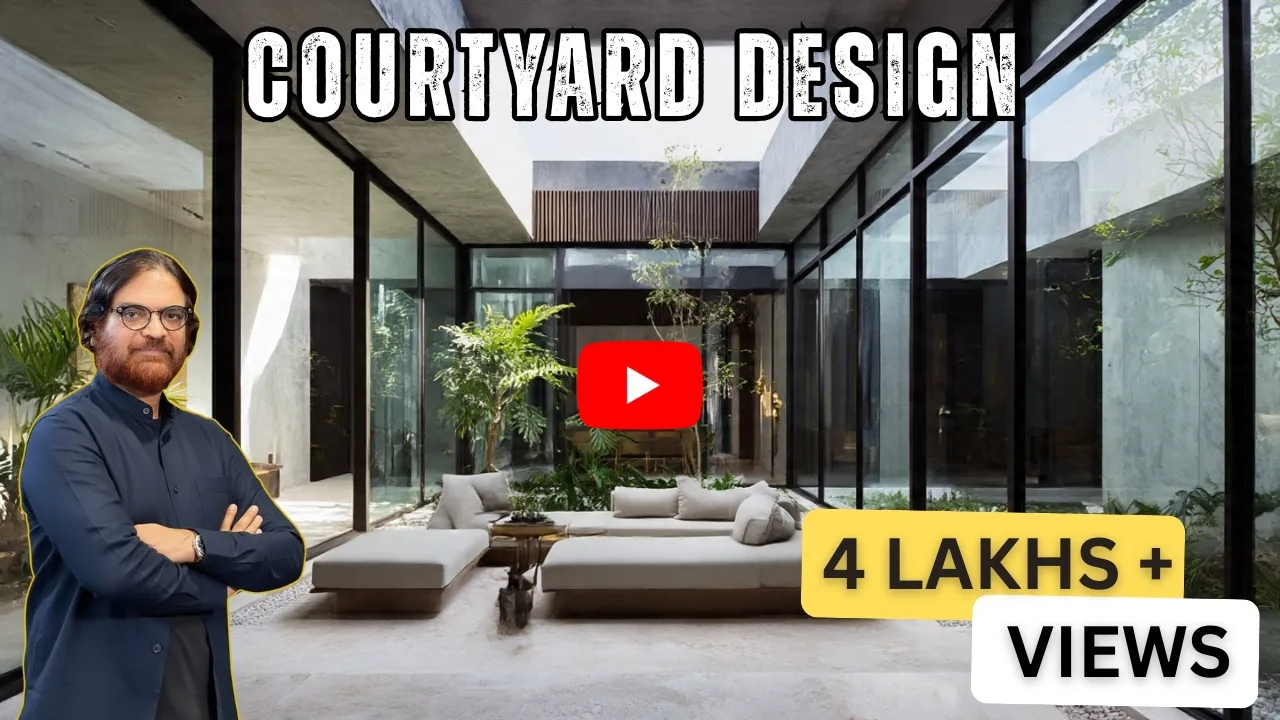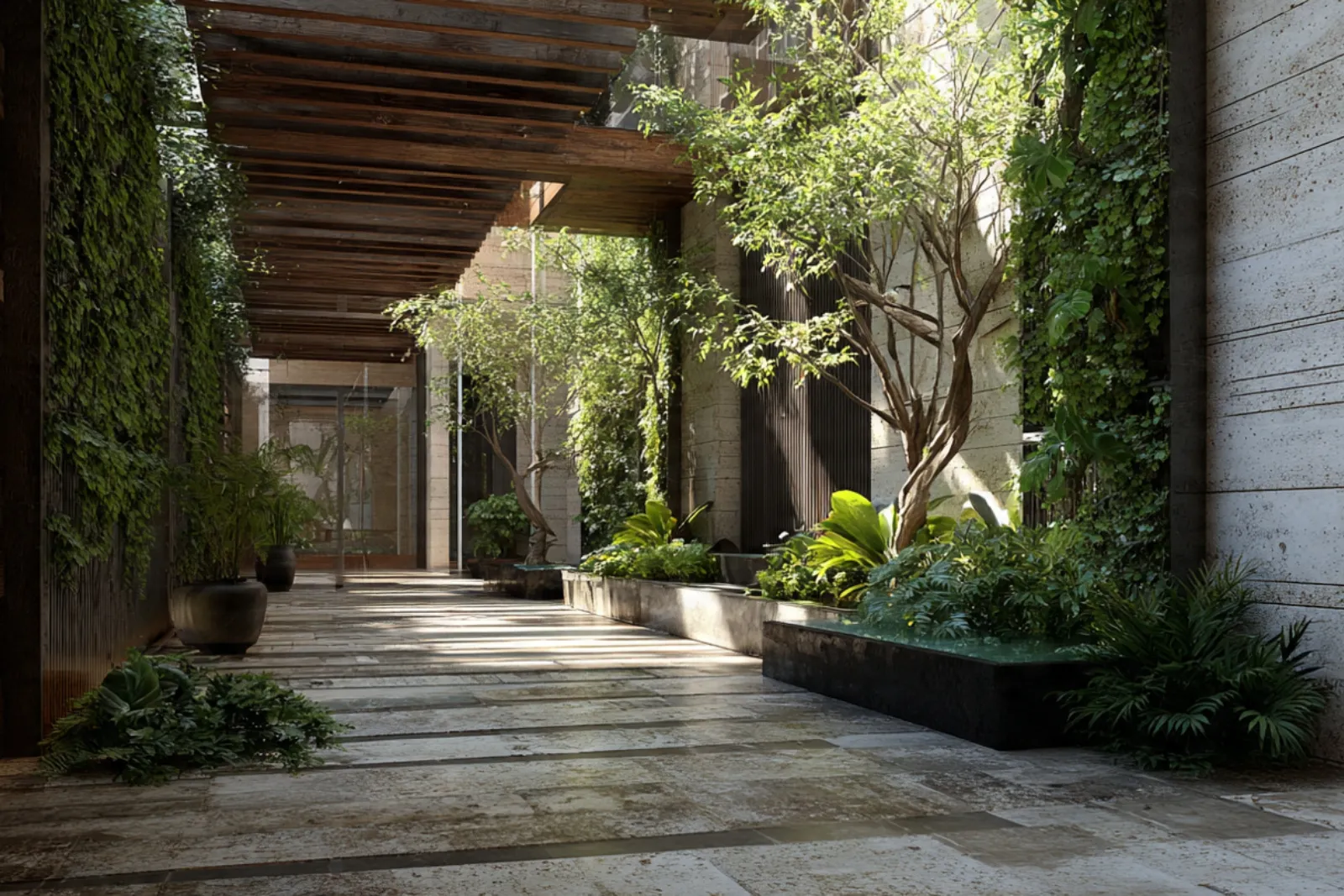
Introduction to Courtyard Design
Courtyards are timeless architectural elements that blend beauty with functionality. They serve as private outdoor spaces within homes, bringing in natural light, fresh air, and greenery while enhancing aesthetic appeal. In this post, we will explore various courtyard types, flooring and wall finishes, landscaping options, and essential tips to protect and maintain them. Whether you live in a traditional house or a modern apartment, courtyards can transform your living environment into a serene, inviting space.
Courtyards in Traditional Architecture

In traditional architecture, courtyards, called “Muttram” in Tamil, were more than just decorative spaces—they were vital for ventilation and natural lighting. Homes in regions like Karaikudi and Thanjavur often had a central courtyard that acted as a natural cooling system, allowing air to circulate and sunlight to reach every corner. These spaces were integral to family life, hosting gatherings, festivals, and daily routines. Understanding the role of traditional courtyards helps us appreciate their functional and cultural significance while inspiring modern adaptations.
Modern Courtyards and Their Purpose
Today, courtyards are often designed to create visual appeal and indirect lighting rather than solely for ventilation. Modern homes use courtyards to bring nature indoors, offering a private oasis even in urban settings. By integrating greenery, water features, and comfortable seating, contemporary courtyards provide a peaceful retreat and a connection to the outdoors, enhancing mental well-being and aesthetic harmony. They serve as multifunctional spaces for relaxation, meditation, or small gatherings.
Bringing Nature Inside Your Home
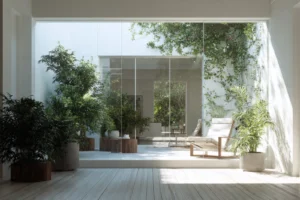
Courtyards allow you to incorporate greenery and a garden-like atmosphere directly into your home. By placing a courtyard near living areas, you can enjoy natural light and the calming presence of plants without leaving the house. This connection to nature creates a sense of openness and tranquility, making interiors feel brighter and more spacious. Thoughtful landscaping, including small trees, shrubs, or flowering plants, can transform your courtyard into a micro-ecosystem that enhances daily life.
Types of Courtyards
Courtyards come in various shapes, sizes, and layouts, each serving a unique purpose. The most common types include centrally placed courtyards, side courtyards, double-height courtyards, open-to-sky courtyards, balcony courtyards, and Pooja courtyards. Each design has advantages in terms of lighting, ventilation, privacy, and space utilization. Understanding these types helps homeowners choose a layout that complements the overall architecture of their home while maximizing comfort and functionality.
Centrally Placed Courtyards
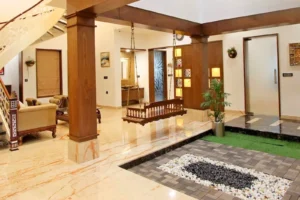
Centrally located courtyards are the heart of a home, offering excellent ventilation and natural lighting. They influence the overall layout, encouraging rooms to open into a shared central space. Ideal for larger homes, central courtyards create a sense of balance and symmetry, allowing sunlight to penetrate interior spaces and promoting airflow throughout the house. This design not only improves comfort but also provides a scenic view from multiple rooms, enhancing the home’s aesthetic and functional appeal.
Side Placed Courtyards
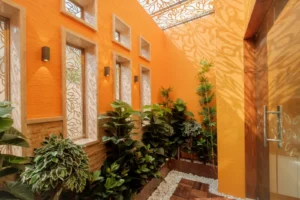
Side courtyards are perfect for compact urban homes where space is limited. These courtyards are typically placed along the edges or setbacks of a property, maximizing natural light and ventilation while conserving interior floor space. When designing a side courtyard, careful planning is essential to maintain privacy and prevent disputes with neighbors. Features like vertical gardens, screening walls, or narrow water channels can enhance the beauty and functionality of side courtyards without occupying much space.
Double-Height and Open-to-Sky Courtyards
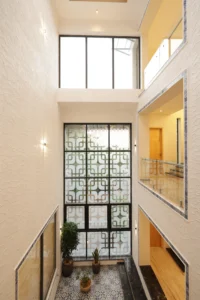
Double-height courtyards create dramatic visual effects, making spaces feel larger and more luxurious. They allow sunlight to reach deeper interiors and provide striking vertical views. Open-to-sky courtyards establish a direct connection with nature, ideal for star-gazing, rain-catching designs, or growing taller plants. However, open courtyards require thoughtful protection from dust, pests, and extreme weather. Pergolas, retractable covers, or careful landscaping can preserve the open feel while maintaining comfort and usability.
Balcony Courtyards
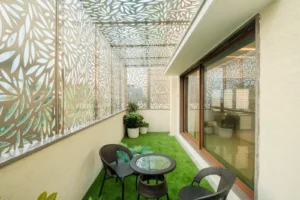
Balconies can be transformed into intimate courtyard spaces in apartments or urban homes. Using pergolas, glass covers, or raised planters, you can create a mini-garden that provides greenery, ventilation, and privacy. Balcony courtyards are perfect for small spaces, offering a private retreat for reading, meditation, or enjoying morning coffee. With clever design choices, even limited outdoor areas can feel spacious, secure, and visually connected to the interior.
Wall and Floor Finishes
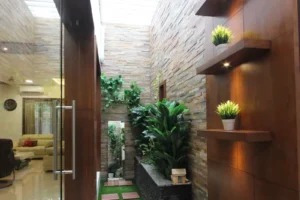
The choice of wall and floor finishes greatly affects the ambiance of a courtyard. Rustic tiles, natural stone textures, and subtle wall colors complement the outdoor feel while maintaining elegance. Flooring options like wooden decks, pebbles, artificial glass, or ceramic tiles allow easy maintenance and enhance aesthetic appeal. Finishes should balance durability, weather resistance, and comfort, ensuring that the courtyard remains a functional and beautiful extension of the home.
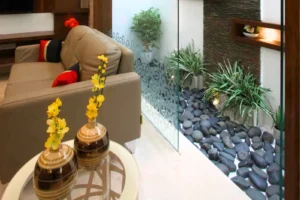
Pebbles
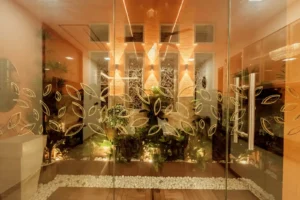
Artificial Glass
Plants in Courtyards
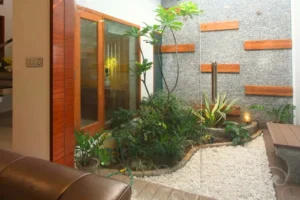
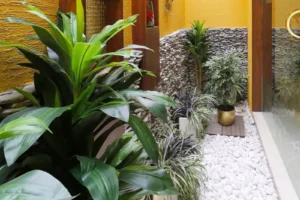
Plants are essential in creating a lively courtyard atmosphere. Real plants provide fresh air, natural scents, and vibrant colors but require sunlight, proper watering, and space. Artificial plants are excellent alternatives for low-maintenance designs, offering greenery without constant care. Combining both types allows for creative landscaping that mimics nature while remaining practical for modern living. Choosing the right plants also enhances biodiversity and promotes a sense of calm and relaxation.
Maintenance Tips for Courtyards
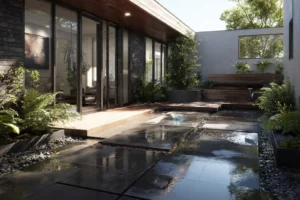
A well-maintained courtyard stays beautiful and functional with minimal effort. Simple layouts, proper drainage, and water taps facilitate easy cleaning. Using ceramic or non-porous flooring prevents stains and moss buildup, while mosquito-repelling plants and pest control measures help keep insects at bay. Regular pruning and sweeping, along with thoughtful design, reduce dust accumulation and ensure that the courtyard remains a hygienic, serene space for daily use.
Courtyard Lighting Ideas
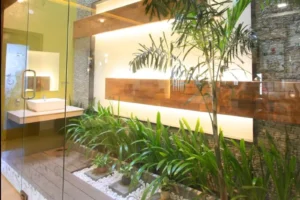
Lighting transforms the mood and usability of courtyards after sunset. Subtle wall lights, up/downlights, or LED strips can highlight plants, walls, or water features. Daylight simulation lights recreate natural sunlight during evening hours, enhancing comfort. Proper lighting not only improves aesthetics but also ensures safety and usability. Combining functional and decorative lighting creates a cozy, inviting courtyard atmosphere suitable for family gatherings or quiet evening relaxation.
Security and Privacy in Courtyards
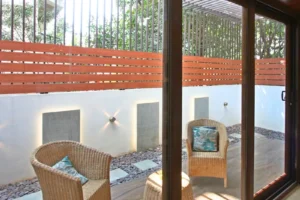
Maintaining security and privacy is crucial, especially in urban homes with close neighbors. Grills, frosted glass panels, or metal pergolas allow the courtyard to remain open to natural light while preventing unauthorized access or visibility. Landscaping elements like hedges or trellises add privacy without compromising beauty. Thoughtful security and privacy measures ensure that the courtyard remains a safe, serene space for family activities while blending seamlessly with the home’s architecture.
Water Features in Courtyards
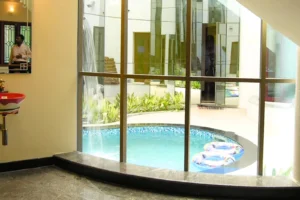
Water elements enhance both the beauty and serenity of a courtyard. Cascading fountains, small ponds, or mini swimming pools create relaxing sounds that reduce stress and improve ambiance. Water features reflect light and add a dynamic visual element, making the space feel more vibrant and luxurious. Choosing the right size, placement, and maintenance approach ensures that water features remain functional, safe, and aesthetically pleasing throughout the year.
Courtyards and Staircase Integration
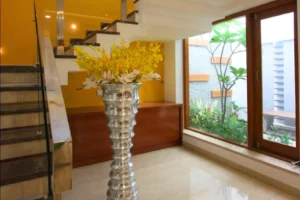
Integrating courtyards near staircases allows for scenic views while moving between floors. This design creates a visual connection across multiple levels, making the home feel more open and dynamic. Proper alignment of the staircase with the courtyard ensures optimal ventilation and sunlight penetration. Additionally, this arrangement can highlight architectural features, water elements, or vertical gardens, enhancing the overall aesthetic and functional appeal of the house.
Courtyards in Bathrooms and Private Spaces
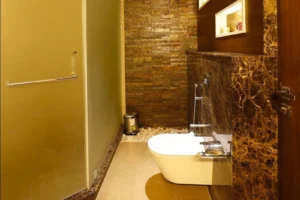
Small courtyards can be incorporated into bathrooms, bedrooms, or private areas to create a resort-like experience. Using glass cut-outs, skylights, or partially open designs brings natural light and ventilation to interior spaces. These private courtyards add an element of luxury, connecting occupants with nature while maintaining privacy. Thoughtful integration of plants, stones, or water elements enhances relaxation and creates a personal sanctuary within the home.
Courtyards in Apartments
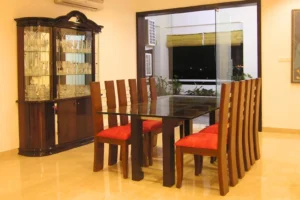
Even in high-rise apartments, it’s possible to enjoy a courtyard-like experience. Balconies or terraces can be converted into mini-courtyards using artificial plants, deck tiles, and protective glass panels. These small green spaces offer fresh air, visual relief, and a touch of nature despite space limitations. With clever design and maintenance, apartment courtyards provide a peaceful retreat and elevate the living experience without compromising safety or privacy.
Adding Traditional Elements
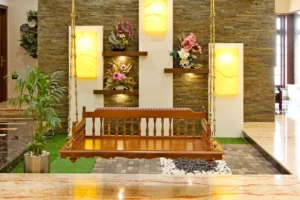
Incorporating traditional elements like swings, wooden paneling, murals, or stone washbasins adds character and a personal touch to courtyards. These features can be combined with modern designs to create a harmonious blend of old and new. Traditional elements evoke nostalgia and warmth, making the space feel inviting, cultural, and unique. When thoughtfully integrated, they enhance both aesthetic appeal and functionality, transforming courtyards into meaningful extensions of the home.
Conclusion: Designing Your Perfect Courtyard
Designing the perfect courtyard requires careful planning, attention to lighting, security, and maintenance, and a balance between nature and architecture. With the right flooring, wall finishes, plants, water features, and thoughtful layouts, courtyards can become the heart of your home. They provide a serene retreat, enhance natural ventilation and lighting, and create a connection with nature. Whether traditional or modern, large or small, courtyards elevate living spaces by combining beauty, functionality, and tranquility. A well-designed courtyard transforms everyday living into a more peaceful and joyful experience.
Watch the full video on YouTube to explore these ideas in detail :