
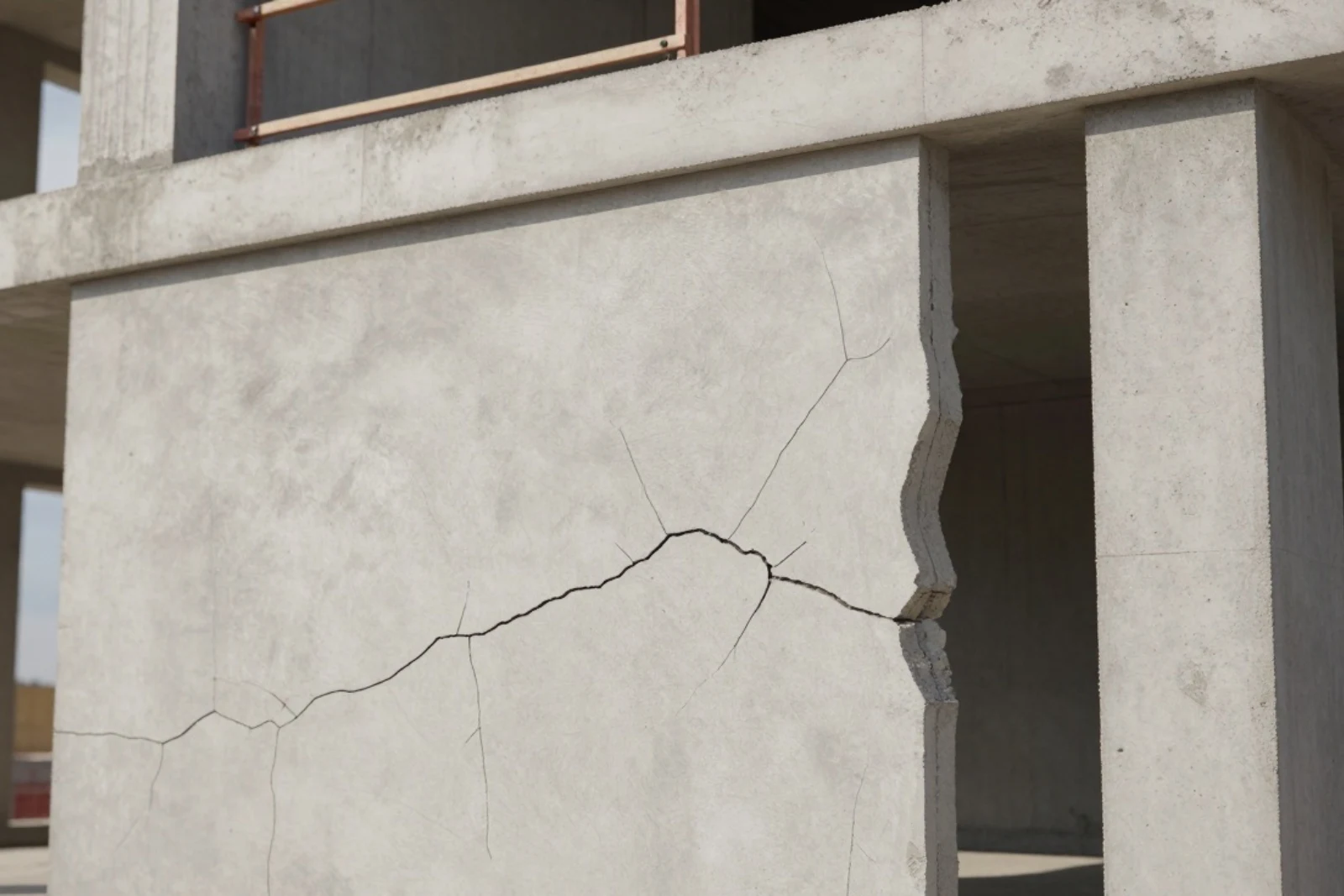
Types of Cracks in Buildings and How to Fix Them Safely
Cracks in buildings are common and can appear in walls, ceilings, floors, or structural elements like columns. While some cracks are minor and cosmetic, others may indicate serious structural issues in the building structure. Understanding the type and cause of a crack is essential for proper repair, building safety, and long-term structural stability.
There are two main types of cracks: Non-Structural and Structural.
Non-structural cracks are usually superficial, caused by minor settling, material shrinkage, thermal expansion, temperature changes, or poor plastering. They do not affect the building’s stability and can be repaired with plaster, putty, or repainting. Structural cracks, however, affect load-bearing elements such as beams, slabs, columns, and foundations, and may result from differential foundation settlement, overloading, poor construction quality, weak concrete mix, soil problems, or natural events like earthquakes. These cracks require professional structural engineer assessment to avoid failure.
Non-Structural Crack (Realistic Scene)
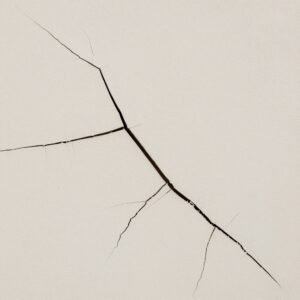
Wall Crack Progression
Effective solutions depend on the type and cause of the crack. Non-structural cracks can often be filled or plastered using crack fillers, while structural cracks may need reinforcement, epoxy injection, RCC strengthening, column jacketing, or foundation repair methods like underpinning. Regular inspection, proper curing, good-quality materials, and timely intervention help prevent small cracks from turning into serious problems, ensuring the safety, durability, and longevity of the building.
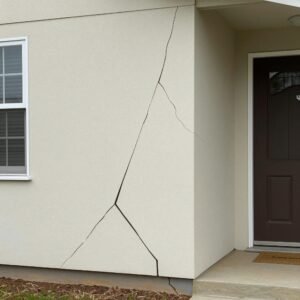
Foundation Settlement Damage
Non-Structural Cracks
Non-structural cracks, also referred to as hairline cracks, shrinkage cracks, plaster cracks, or cosmetic cracks, are the most common type of building cracks found in residential and commercial construction. These minor cracks typically appear on interior walls, exterior walls, window corners, lintels, beams, or columns, often developing within six months after construction due to plaster shrinkage, temperature changes, improper curing, or minor settlement.

Hairline Crack on Interior Wall
They usually stabilize within one to two years. These cracks are generally harmless and do not compromise the structural integrity of the building, foundation, or load-bearing elements, but they can affect the aesthetic appearance of the property and may cause concern for homeowners looking for building maintenance or crack repair solutions.
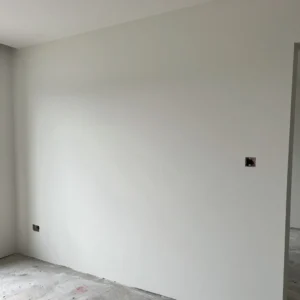
Early Stage Building Settlement Cracks
Causes of non-structural cracks include temperature changes and extreme weather conditions, as building materials naturally expand and contract due to thermal fluctuations, leading to minor surface cracks on walls and ceilings. Moisture absorption and drying also contribute significantly, because plaster or concrete walls take in water and shrink as they dry, resulting in shrinkage cracks.
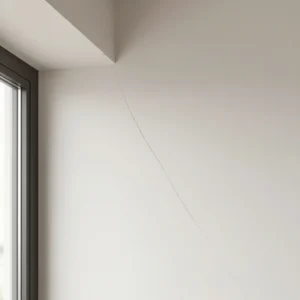
Crack Near Window Corner
Additionally, minor settlement of beams, brickwork, or masonry walls can occur in newly constructed buildings, where small adjustments during the settling period produce hairline cracks. These cracks are mostly cosmetic, non-structural, and do not affect the building’s stability; they can usually be repaired with basic crack filler, plastering, or repainting once the structure has fully stabilized.
Repair of Non-Structural Cracks
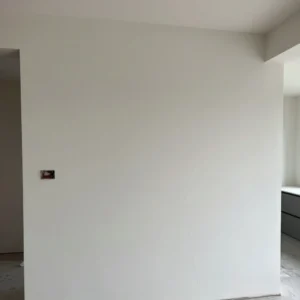
Stabilized Wall After Construction
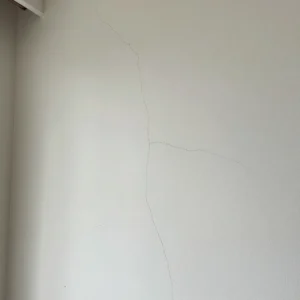
Monitoring Hairline Cracks on Wall
Non-structural cracks are primarily cosmetic and usually do not pose any risk to the structural integrity of a building or its load-bearing components. These minor cracks often appear in the first few months after construction and typically stabilize within one to two years as the building undergoes normal settlement. In most cases, simple repainting of the affected walls after this stabilization period is sufficient to restore a clean, smooth surface. There is generally no need for special crack fillers, putty, sealants, or intensive repair work unless the cracks increase in size, widen, or appear repeatedly.

Minimal Cosmetic Crack Scene
For optimal results, it is important to monitor these hairline cracks regularly to ensure they do not develop into more serious structural issues. Proper plastering, curing, and painting techniques can also help prevent the recurrence of cosmetic cracks. Using high-quality construction materials, maintaining correct water-cement ratios, allowing adequate curing time, and controlling moisture levels during construction can significantly reduce the likelihood of shrinkage cracks or plaster cracks, ensuring long-term durability and an aesthetically pleasing finish for the walls.
Structural Cracks
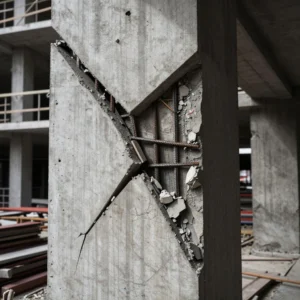
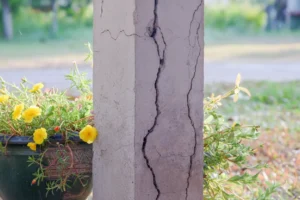
Structural Crack in Column (Severe Damage)
Structural cracks, typically wider than 3–5 mm, are serious defects that can grow over time, appear in beams, columns, walls, or cantilever slabs, and sometimes cause water seepage, compromising building safety; they are caused by factors such as poor or unstable soil, inadequate structural design, improper load distribution, incorrect placement of reinforcement rods, overloading, or natural events like earthquakes, and require professional evaluation for repair—such as underpinning foundations, reinforcing beams, or adding rods to slabs—while prevention involves proper soil testing, high-quality materials, correct reinforcement placement, adequate concrete curing, and using concrete bands to reduce wall shrinkage, with early attention ensuring long-term durability.
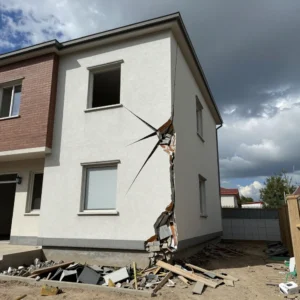
Foundation Settlement Damage (Building Failure)
Repair of Structural Cracks
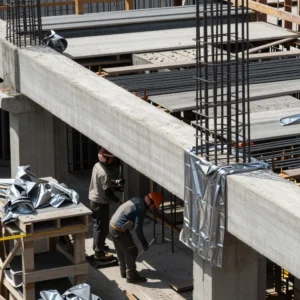
Beam and Slab Structural Reinforcement
Structural cracks are serious and should never be ignored, as they can compromise the stability and safety of a building. Repairing these cracks requires professional evaluation to determine the underlying cause, as simply filling or plastering the crack is not sufficient. Solutions often depend on the severity and location of the cracks. In many cases, underpinning the foundation is necessary to stabilize uneven or weak soil, preventing further settlement and damage. Reinforcing beams is another common method, adding additional strength to support the loads carried by the structure. For cantilever slabs, adding reinforcement rods ensures that these overhanging elements can safely bear weight and resist bending stresses. Roof cracks are particularly critical because they can lead to water seepage and further structural weakening. Addressing roof cracks immediately is essential to prevent further deterioration and potential safety hazards. Regular monitoring and timely professional intervention are key to long-term building stability and safety.
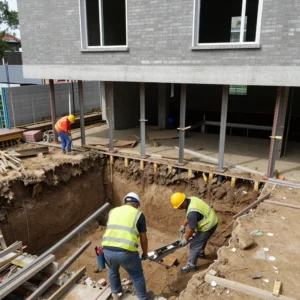
Foundation Underpinning Repair Work
Prevention of Cracks in Buildings
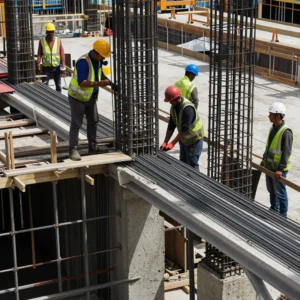
Proper Construction Quality & Reinforcement Work
It involves proper construction practices: use high-quality bricks and ensure adequate curing of bricks, apply concrete bands every three feet to minimize wall shrinkage cracks, maintain correct bottom shuttering during beam casting, place reinforcement rods accurately, test water quality for concrete mixing, and conduct soil testing for a strong and stable building foundation. Implementing these preventive measures early can significantly reduce the risk of structural cracks and ensure the long-term safety and durability of buildings.
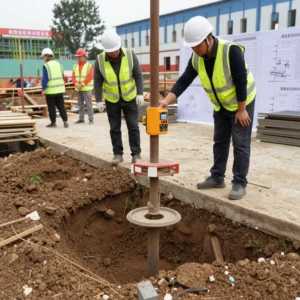
Soil Testing & Foundation Preparation
Conclusion
Understanding the different types of building cracks, their underlying causes, and appropriate repair methods is essential for maintaining the safety, durability, and aesthetic appeal of any structure. Non-structural cracks, such as hairline or shrinkage cracks, are mostly cosmetic and generally harmless. They often appear due to material shrinkage, minor settlement, or environmental factors and can usually be repaired with simple repainting once the building has stabilized. Structural cracks, on the other hand, are serious and can compromise the building’s stability. These require professional evaluation and repair, which may include foundation underpinning, beam reinforcement, or proper placement of reinforcement rods in slabs.
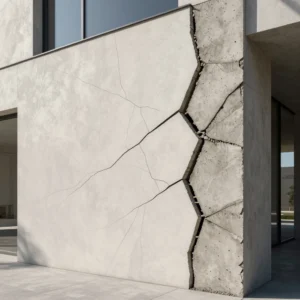
Comparison of Non-Structural vs Structural Cracks (Realistic Scene)
Preventive measures, such as proper soil testing, high-quality construction materials, correct reinforcement placement, and effective curing practices, play a crucial role in reducing the risk of cracks. Regular inspection and timely intervention help homeowners identify issues early, ensuring that both minor and major cracks are addressed effectively, resulting in a safe, long-lasting, and well-maintained building.
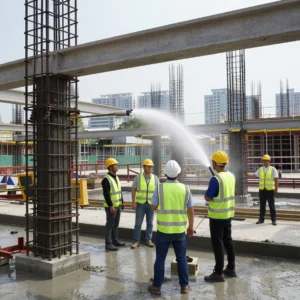
Construction Prevention & Quality Control Scene
Watch the full video on YouTube to explore these ideas in detail :
It explains the issue in a simple way and doesn’t overcomplicate things, which is good. It points out how to spot different types of cracks instead of just treating all of them as the same problem.
Thank you for your kind words!
Simple but very useful explanation. It gives a more realistic view of what homeowners usually face, especially when small issues slowly develop over time.
Thank you so much for your valuable feedback!